CB Ja'Quan McMillian secures pivotal interception in overtime
Slo-Motion Video Courtesy of NFL Films -- btw, it's called "The Calvin Johnson Rule"
Broncos Blog
1/22/20264 min read
CB Ja'Quan McMillian secures pivotal interception in overtime | Broncos vs. Bills
Jan 17, 2026 Final Score: 33-30 Broncos defeat Bills
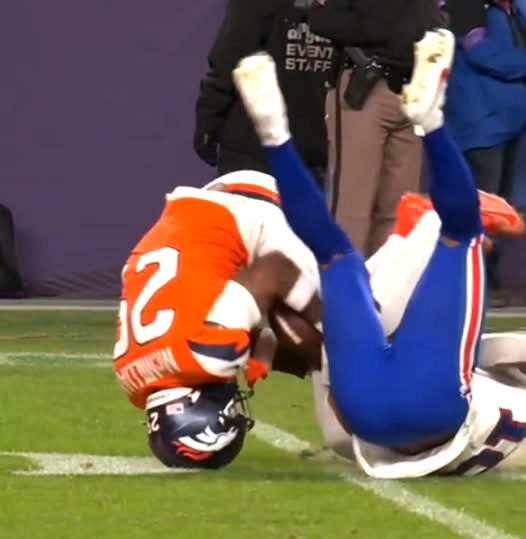
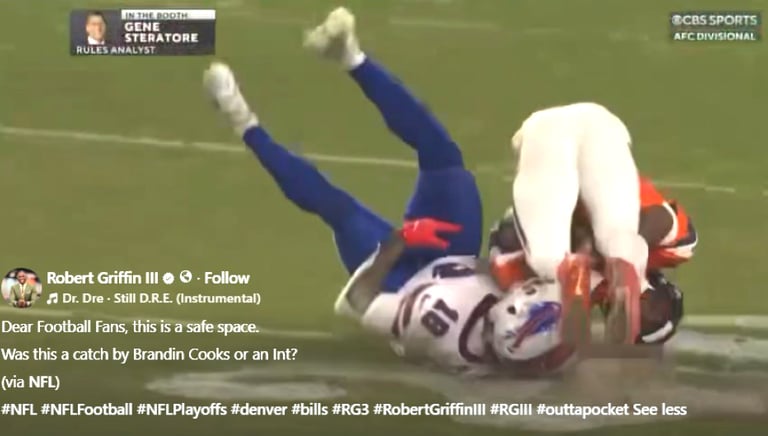
Cornerback Ja'Quan McMillian tears the ball away from Buffalo's Brandin Cooks on a deep pass attempt for the Broncos' fifth takeaway.


Here’s a clean, powerful way to explain both ideas so even someone who’s confused can follow it without getting defensive. This keeps the logic tight and rooted in the NFL rulebook.
Why a receiver cannot be “down by contact” until he becomes a runner:
Down by contact only applies to a runner.
A player becomes a runner only after he has completed the process of a catch.
That means:
He must secure control of the ball;
He must get two feet or another body part down;
And if he’s going to the ground, he must survive the ground with control;
Only after all of that is true does he become a runner.
And only runners can be ruled down by contact.
So, if a receiver is still in the act of catching the ball, he is not a runner and therefore cannot be down by contact—no matter who touches him.
Why a receiver going to the ground must maintain control the entire time:
If a receiver is falling to the ground during the catch, the rule adds one more requirement:
He must maintain control all the way to the ground and through the landing.
This means:
If the ball moves,
If it shifts,
If it comes loose when he hits the ground,
If he loses control before he stops moving,
Then the catch is not complete.
And if the catch is not complete, he never becomes a runner.
And if he never becomes a runner, down by contact cannot apply.
The whole concept in one tight sentence.
You can’t be down by contact until you’re a runner, and you can’t be a runner until you’ve fully completed the catch—including surviving the ground if you’re falling.
Courtesy of Joseph Simmons
From the NFL’s official rulebook on completing a catch:
A player completes a catch if he: Secures control of the ball,
Gets two feet or a body part down, and
Either: Performs any act common to the game (a “football move”) OR maintains control long enough to do so.
BUT the rule adds a special clause:
If the player has not performed a football move and is going to the ground, he must maintain control when he hits the ground, or it is incomplete.
This is the “survive the ground” requirement.
What the NFL Said About This Exact Play
Referee Carl Cheffers and NFL VP of Officiating Walt Anderson both stated:
Cooks was going to the ground as part of the catch.
When Cooks hit the ground, the ball immediately became loose.
Because he did not survive the ground, it is not a completed catch.
McMillian gained control while the ball was live, so it becomes an interception.
This is the league’s official interpretation.
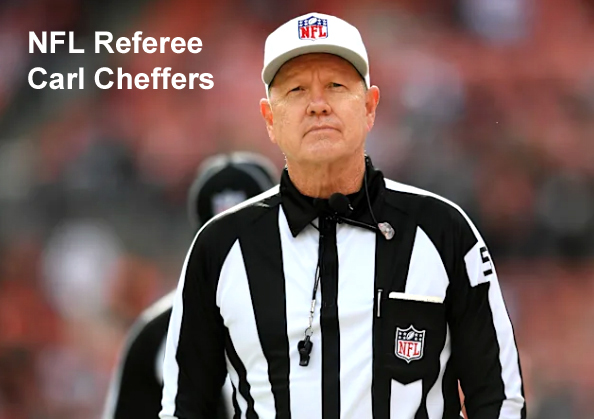
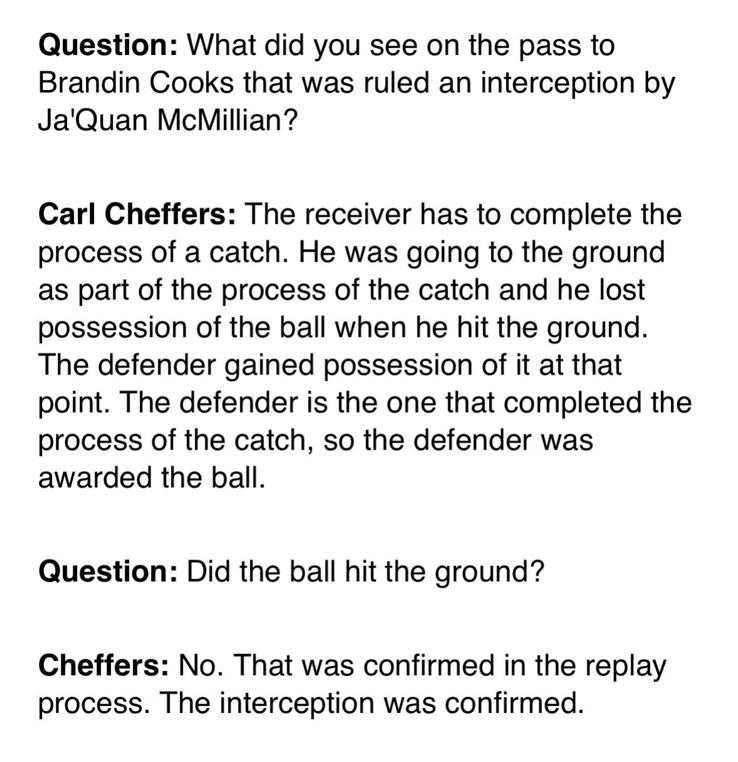
NFL referee Carl Cheffers explains why it was an interception:
"The receiver has to complete the process of the catch.
He was going to the ground as part of the process of the catch and he lost possession of the ball when he hit the ground.
The defender gained possession of it at that point.
The defender is the one who completed the process of the catch and was awarded the ball."
DID THE BALL HIT THE GROUND?
Cheffers: "No. That was confirmed in the replay process. The interception was confirmed."
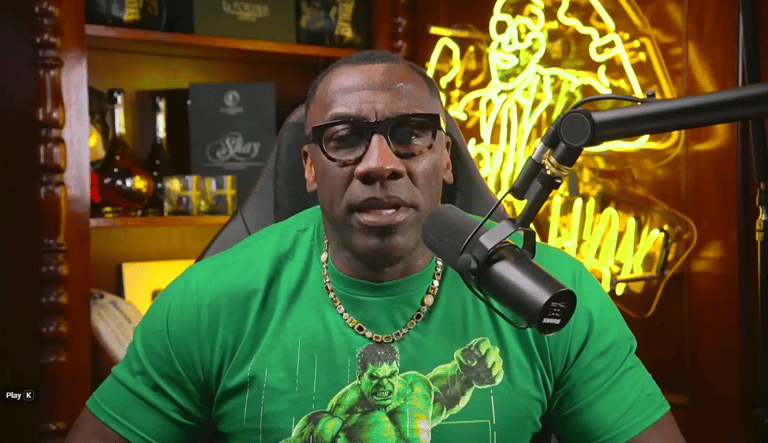
Hall of Fame tight end Sterling Sharpe, who, on his popular podcast with Chad “Ochocinco" Johnson, said it was absolutely the correct call, and Johnson agreed.
“Let me explain it to you, it's called the Calvin Johnson rule,” where receivers have to secure the catch through their landing, not just grab it in the air, Sharpe said.
“If a receiver catches a football and he goes to the ground he must maintain possession of the football throughout the entirety of the catch.
"He goes to the ground, he needs to get his ass up and hand the ball to the officials.”


Broncos Blog
broncosdenver.blog
© 2026. Broncos Blog - All rights reserved.